High Flux Tubes in Industrial Heat Exchange
What are high-flux tubes?
High-flux tubes are typically associated with heat exchangers, particularly in the context of nuclear reactors and other high-temperature applications. A heat exchanger is a device designed to transfer thermal energy between two or more fluids, while keeping them physically separated. The term "high-flux tubes" refers to the tubes within the heat exchanger that are responsible for the efficient transfer of heat between the fluids.
The term "high-flux" indicates that these tubes are designed to handle a significant amount of heat transfer. In nuclear reactors, for example, high-flux tubes are used to carry extremely hot coolant (often a liquid metal like sodium or lead) away from the reactor core, where nuclear reactions generate a substantial amount of heat. The high-flux tubes are designed to withstand high temperatures, high pressures, and potentially harsh radiation environments.
The design of high-flux tubes takes into account factors such as heat transfer efficiency, material properties, thermal stress, corrosion resistance, and structural integrity. They are often made from specialized materials that can handle the extreme conditions while maintaining their mechanical and thermal properties over time.
High-flux tubes play a crucial role in high-temperature heat exchangers, especially in applications like nuclear reactors, where they facilitate the transfer of heat from a high-temperature source to a heat sink, all while maintaining the safety and stability of the overall system.
How High Flux Tubes Work
High Flux Tubes operate by transferring thermal energy from a high-temperature fluid to a lower-temperature fluid through the tube wall. The high flux rating indicates the tubes capacity to handle significant heat transfer rates, typically measured in kW/m² or BTU/ft²·hr. The working principle involves conductive heat transfer through the tube wall and convective heat transfer between the fluid and the tube surface. The design optimizes these transfer mechanisms through material selection, surface geometry, and flow dynamics. Which factors influence the heat transfer coefficient? The tube material, wall thickness, surface roughness, and fluid velocity all play critical roles. How does surface geometry affect performance? Enhanced surface features such as internal fins or roughened textures can increase turbulence and improve heat transfer efficiency without requiring higher flow rates.
High Flux Tubes Applications
1. Nuclear Reactors: High-flux tubes are commonly used in nuclear reactors for both power generation and research purposes. In nuclear power plants, they are often part of the reactors primary heat exchanger system, where they transfer heat from the reactor core to a secondary loop that drives a turbine and generates electricity. These tubes are exposed to high temperatures due to the nuclear reactions taking place in the core.
2. Solar Thermal Power: High-flux tubes are used in solar thermal power plants, where they capture and concentrate sunlight onto a heat exchanger to generate steam and produce electricity. The concentrated solar energy can cause extreme temperatures, and the high-flux tubes need to withstand these conditions while efficiently transferring heat to the working fluid.
3. Chemical Processes: In high-temperature chemical processes, such as petroleum refining or chemical manufacturing, high-flux tubes can be used to facilitate heat exchange between reactive substances. These tubes are often designed to withstand corrosive environments and high thermal stresses.
4. Aerospace and Propulsion: High-flux tubes find applications in aerospace engineering, particularly in the cooling systems of high-performance engines and propulsion systems. They help manage the extreme heat generated during combustion and ensure the engine components remain within their operational limits.
Why High Flux Tubes Are Preferred
Why are High Flux Tubes the preferred choice in critical high-temperature systems? The answer lies in their exceptional heat transfer efficiency, outstanding durability under extreme conditions, and reliable performance over extended operational lifetimes. Their material composition and design enable them to maintain structural integrity even when subjected to thermal cycling, high pressure differentials, and corrosive environments. Which industries benefit most from these attributes? Nuclear power generation, concentrated solar power plants, and advanced chemical processing facilities all rely on the unique capabilities of high-flux tubes. How does this translate to operational advantages? Reduced maintenance frequency, improved system reliability, and enhanced safety margins are direct benefits that make high-flux tubes indispensable in demanding applications.
High Flux Tubes Design Considerations
1. Material Selection: High-flux tubes are typically made from materials with excellent heat transfer properties, high melting points, and resistance to corrosion and thermal fatigue. Materials like stainless steel, nickel-based alloys, and refractory metals are commonly used.
2. Heat Transfer Efficiency: The design of high-flux tubes focuses on maximizing the heat transfer coefficient, which determines how effectively heat is transferred from the hot fluid to the tube wall and then to the cold fluid.
3. Structural Integrity: The tubes must be able to withstand the thermal stresses and pressure differentials they experience. The design must consider factors such as mechanical stability, creep resistance, and fatigue life.
4. Corrosion Resistance: In aggressive environments, such as those with corrosive fluids or high-temperature oxidation, the tubes material must resist degradation over time.
5. Coolant Flow: Effective coolant flow inside the tubes is essential for efficient heat transfer. Proper design ensures that flow velocities and turbulence are conducive to heat exchange.
6. Radiation Considerations: In nuclear reactor applications, radiation from the reactor core can affect the material properties of the tubes over time. Designing tubes to withstand radiation-induced damage is critical.
7. Thermal Expansion: High temperatures can cause materials to expand, which must be accounted for in the design to prevent structural failures.
High Flux Tubes Material Properties
| Material |
Max Operating Temp (°C) |
Thermal Conductivity (W/m·K) |
Tensile Strength (MPa) |
Corrosion Resistance |
Primary Applications |
| Stainless Steel 304 |
870 |
16.2 |
515 |
Good |
General heat exchange |
| Stainless Steel 316 |
925 |
16.3 |
550 |
Excellent |
Corrosive environments |
| Inconel 600 |
1095 |
14.8 |
655 |
Excellent |
Nuclear reactors |
| Inconel 625 |
1095 |
9.8 |
827 |
Superior |
High temperature & pressure |
| Hastelloy C-276 |
1040 |
10.2 |
760 |
Superior |
Chemical processing |
Which material is right for your application? The selection depends on the operating temperature, fluid chemistry, pressure conditions, and expected service life. For nuclear applications, Inconel 600 offers excellent radiation resistance and thermal stability. For chemical processing with aggressive media, Hastelloy C-276 provides superior corrosion protection. How do these materials compare in terms of cost? While high-performance alloys like Inconel and Hastelloy command higher prices, their extended service life and reduced maintenance requirements often justify the initial investment.
High Flux Tubes vs Standard Tubes
| Characteristic |
High Flux Tubes |
Standard Tubes |
| Heat transfer efficiency |
High (up to 500 kW/m²) |
Moderate (100–200 kW/m²) |
| Maximum operating temperature |
Up to 1100°C |
Typically below 600°C |
| Corrosion resistance |
Superior (special alloys) |
Moderate (standard stainless) |
| Service life |
Extended (fatigue-resistant design) |
Shorter (prone to thermal stress) |
| Material cost |
Higher |
Lower |
| Maintenance frequency |
Lower |
Higher |
| Typical applications |
Nuclear, aerospace, solar thermal |
General industrial heat exchange |
What makes High Flux Tubes outperform standard tubes in demanding environments? The combination of advanced materials, optimized geometry, and rigorous design standards results in superior heat transfer performance and operational reliability. How does this translate to real-world benefits? Facilities using high-flux tubes report lower total cost of ownership, reduced downtime, and enhanced process stability compared to those using conventional tube designs.
High-flux tubes play a vital role in various industries where high-temperature heat exchange is essential. Their design and engineering are complex, requiring a careful balance of material selection, thermal considerations, mechanical properties, and efficiency to ensure safe and effective operation in demanding environments.
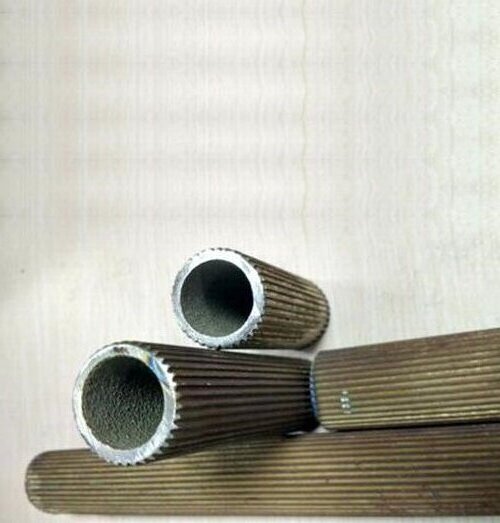
High-flux tubes