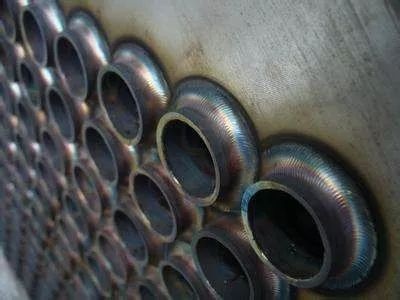

A shell and tube heat exchanger relies on hundreds or thousands of small joints to keep process fluid and service fluid apart. The tube sheet joint is the connection between each heat exchange tube and the tubesheet. It is a critical structural and sealing element in fixed tubesheet, floating tubesheet, and U-shaped tubesheet heat exchangers. This article explains the main connection methods, how they work, where they are used, and which parameters engineers should confirm before specifying a tube sheet and tube joint.
What Is a Tube Sheet Joint?
A tube sheet joint is the mechanical or metallurgical connection that fixes a heat exchange tube into a hole in the tubesheet. The joint must resist pressure, temperature, thermal cycling, vibration, and possible corrosion. It also acts as the only barrier between the tube side and the shell side in many designs. Because of this, the quality of the tube sheet joint is one of the most important factors in the reliability of a shell and tube heat exchanger.
The joint type is normally selected according to service conditions, design pressure and temperature, tube and tubesheet materials, fluid hazard, and maintenance strategy. The three broad categories are expansion, welding, and a combination of expansion plus welding.
Why the Tube-to-Tubesheet Connection Matters
A leaking tube-to-tubesheet connection can cause cross-contamination, loss of product, unplanned shutdown, and safety risks. In cooling water service, a small leak may only reduce efficiency. In chemical, pharmaceutical, or high-pressure service, even a minor leak can be unacceptable. The connection must therefore be designed, manufactured, and inspected as a controlled joint rather than a simple assembly step.
Three performance requirements apply to most joints:
- Strength: the joint must hold the tube against pressure load and pull-out force.
- Sealing: the joint must prevent leakage between tube side and shell side.
- Durability: the joint must tolerate thermal cycling, vibration, and corrosion over the service life.
Three Main Connection Types Compared
| Joint type | How it works | Typical use | Advantages | Limitations |
|---|---|---|---|---|
| Expansion only | Tube is expanded radially into the tubesheet hole by mechanical, hydraulic, or explosive force. | Lower pressure and temperature service; non-hazardous fluids; removable tube bundles. | No heat-affected zone; easier tube replacement; lower cost for large tube counts. | Lower pull-out strength than welded joints; sensitive to hole finish and expansion control. |
| Welding only | Tube is welded to the tubesheet face or inside the hole. | High pressure, high temperature, hazardous fluids, and vacuum service. | High strength and reliable sealing; suitable for difficult materials with qualified procedures. | Welding heat can affect tube and tubesheet metallurgy; re-tubing is more difficult. |
| Expansion plus welding | Tube is expanded first, then welded, or welded first, then expanded. | Severe service where both strength and sealing redundancy are required. | Combines mechanical grip with a metallurgical seal; good fatigue resistance. | More process steps; requires careful sequencing and inspection. |
Tube Sheet and Tube Expansion
Expansion creates a interference fit between the tube and the tubesheet hole. The tube wall is plastically deformed outward so that it contacts and grips the hole surface. The joint relies on residual contact pressure and friction. Expansion is common in cost-sensitive projects and in designs where tube replacement is expected.
Traditional Expansion Process
Traditional expansion uses a mechanical roller expander. A mandrel with rollers is rotated inside the tube end. The rollers press the tube wall against the tubesheet hole. The operator controls torque or expansion travel to reach the target expansion rate. This method is flexible and widely used, but joint quality depends heavily on operator skill, hole cleanliness, and lubrication. Over-expansion can reduce tube wall thickness and cause stress cracking.
Explosion Expansion Process
Explosion expansion uses a controlled explosive charge inside the tube end. The pressure pulse expands the tube against the tubesheet in a very short time. The method can produce uniform expansion in difficult locations and is sometimes used for large tubesheets or special materials. It requires strict safety controls and qualified procedures. It is less common than hydraulic or mechanical expansion in general fabrication.
Hydraulic Tube Expansion Process
Hydraulic expansion uses high-pressure water or oil inside the tube to expand it uniformly. The pressure is controlled precisely, so the expansion rate is more repeatable than manual rolling. Hydraulic expansion is suitable for long tubes, thin walls, and materials that are sensitive to mechanical damage. It can also reduce residual stresses compared with mechanical rolling. The equipment cost is higher, and the process requires clean fluid and careful pressure control.
Regardless of the expansion method, the tube hole surface finish, tube end cleanliness, and expansion length must be controlled. A typical expansion rate range may be given as a percentage of tube wall reduction, but the final value must be confirmed by project specification, engineer approval, and manufacturer data. Expansion alone is generally not recommended for hazardous or high-pressure service unless supported by qualified testing.
Tube Sheet and Tube Welding
Welding creates a metallurgical bond between the tube and the tubesheet. It provides a strong seal and is preferred for severe service. Two common categories are strength welding and seal welding.
Strength Welding
Strength welding is designed to carry the full pressure load and pull-out force. The weld is usually made on the tubesheet face or in a groove around the tube hole. The weld size, throat thickness, and preparation must be specified. Strength welding is used in high-pressure heat exchangers, hydrogen service, and applications where joint failure would be dangerous. Welding procedures and welder qualification must be confirmed for the specific material combination.
Seal Welding
Seal welding is intended mainly to provide a leak-tight barrier, not to carry the full structural load. It is often used together with expansion. The tube is expanded first to provide mechanical strength, and a light weld is then applied to seal the joint. Seal welding is common in stainless steel and other alloy exchangers where a small weld can improve leak tightness without requiring a full strength weld. The weld must still be made with a qualified procedure to avoid cracking or corrosion issues.
Welding requires attention to material compatibility, heat input, shielding gas, and post-weld cleaning. Dissimilar metal joints may require special filler metals or transition pieces. The final weld quality should be confirmed by visual inspection, penetrant testing, or other methods specified in the project quality plan.
Combined Welding and Expansion of Tube Sheet and Tube
A combined joint uses both expansion and welding. The sequence affects residual stress, fatigue life, and leak tightness. Two common sequences are expansion before welding and welding after expansion.
Expansion Before Welding
In this sequence, the tube is expanded into the tubesheet first, and then a seal weld or strength weld is applied at the tube end. Expansion reduces the gap between tube and hole, which helps control weld penetration and reduces the risk of weld defects. The weld then provides a reliable seal. This sequence is often used for stainless steel and high-alloy exchangers where a seal weld is needed but a full strength weld is not required.
Welding After Expansion
In some specifications, the tube is welded first and then expanded. This sequence can reduce residual stress at the weld toe and improve fatigue resistance. However, the expansion operation must not damage the weld or introduce cracks. The choice between the two sequences depends on material, thickness, service conditions, and the manufacturers qualified procedure. The project specification should state the required sequence clearly.
Important: The terms "expansion before welding" and "welding after expansion" are sometimes used differently in different specifications. Always confirm the intended sequence with the engineer and the manufacturer before fabrication.
Key Parameters That Affect Tube Sheet Joint Performance
Joint performance depends on several parameters. The list below gives the main items to confirm during design and inspection.
| Parameter | Why it matters | Unit / typical range note |
|---|---|---|
| Tube outer diameter and wall thickness | Controls expansion force, weld size, and joint strength. | Millimeters (mm); confirm with project specification. |
| Tube hole diameter and tolerance | Affects interference fit and weld gap. | mm; typical range depends on tube size and standard; confirm with manufacturer data. |
| Expansion rate | Too low gives poor grip; too high can thin the tube wall. | Often expressed as percentage of wall reduction; typical range to be confirmed by project specification and engineer. |
| Expansion length | Determines load distribution and pull-out strength. | mm; usually related to tubesheet thickness; confirm with design calculation. |
| Surface finish of tube hole | Affects friction and sealing in expanded joints. | Surface roughness value to be specified; confirm with project specification. |
| Weld throat thickness | Affects strength weld capacity. | mm; based on design pressure and qualified procedure. |
| Operating pressure and temperature | Sets joint type and inspection level. | bar / °C; project-specific. |
| Thermal cycling | Can loosen expanded joints and fatigue welds. | Cycle count and temperature range to be confirmed by project specification. |
Design Trade-offs in Tube Sheet Joint Selection
Selecting a joint type is a balance between strength, sealing, cost, maintainability, and fabrication risk. The following trade-offs are common:
- Strength versus re-tubability: Welded joints provide higher strength but make tube replacement more difficult. Expanded joints are easier to replace but may not suit high-pressure service.
- Sealing reliability versus heat input: Welding gives a reliable seal but introduces heat-affected zones. Expansion avoids heat effects but depends on surface condition and expansion control.
- Initial cost versus life-cycle cost: Expansion only is often lower cost for large tube counts. Combined welding and expansion costs more but can reduce leak risk in severe service.
- Fabrication speed versus inspection needs: Expansion is faster for high tube counts. Welding requires qualified procedures, welder qualification, and more inspection.
For a given project, the engineer should define the joint type, expansion method, weld type, sequence, and inspection requirements in the specification. The manufacturer should then confirm that the selected joint can be produced with qualified procedures and inspected reliably.
Materials and Standards for Tube Sheet Joints
Tube sheet joints are made in carbon steel, stainless steel, duplex stainless steel, copper alloys, titanium, and other alloys. Material selection depends on fluid corrosivity, temperature, and mechanical requirements. The tube and tubesheet may be the same material or dissimilar. Dissimilar joints require careful welding procedure qualification and may need transition pieces or special expansion controls.
Standards for tube sheet joints are project-specific. Common industry references may include ASME or TEMA depending on the project specification, but the exact standard, acceptance criteria, and inspection method must be confirmed with the engineer and the manufacturer. Do not assume a standard applies unless it is stated in the project specification. For more background on tube sheet construction, see tube to tubesheet connection basics.
Quality Inspection and Testing of Tube Sheet Joints
Inspection should match the joint type and service severity. Typical inspection items include:
- Visual inspection of tube hole cleanliness and weld appearance.
- Dimensional checks of tube hole diameter, tube end position, and expansion length.
- Expansion rate verification by measurement or process control records.
- Dye penetrant testing or other surface examination for welds where specified.
- Hydrostatic or pneumatic testing of the assembled exchanger.
- Helium leak testing for high-integrity or vacuum service, when specified.
- Pull-out testing or torque testing on sample joints, when required by the quality plan.
The acceptance criteria for these tests are project-specific. Typical ranges and test pressures should be confirmed with the project specification, engineer, and manufacturer data. Inspection records should be retained for traceability.
Typical Applications of Tube Sheet Joints
Different joint types suit different industries and services:
- Chemical and petrochemical: combined welding and expansion is common for hazardous fluids, high pressure, and thermal cycling.
- Power generation: strength welding or combined joints are used in feedwater heaters and condensers where reliability is critical.
- HVAC and refrigeration: expansion or seal welding is often sufficient for lower pressure service.
- Seawater desalination: titanium or duplex tubes with expanded or welded joints, depending on corrosion and pressure requirements.
- Food and pharmaceutical: stainless steel tubes with seal welding or combined joints to meet cleanliness and leak-tightness needs.
Selection Checklist for Engineers
Before specifying a tube sheet joint, confirm the following:
- Design pressure, design temperature, and thermal cycling conditions.
- Fluid hazard and acceptable leakage rate.
- Tube and tubesheet materials, including dissimilar metal concerns.
- Required joint type: expansion, welding, or combined.
- Expansion method: mechanical, hydraulic, or explosion.
- Weld type: strength weld or seal weld.
- Sequence: expansion before welding or welding after expansion.
- Inspection methods and acceptance criteria.
- Tube replacement strategy and maintenance access.
- Applicable project standards and documentation requirements.
Clear specification at the design stage reduces fabrication disputes and improves joint reliability. If the joint type is not specified, the manufacturer should propose a solution based on service conditions and confirm it with the engineer.
FAQ
What is a tube sheet joint?
A tube sheet joint is the connection between a heat exchange tube and the tubesheet. It provides mechanical strength and sealing between the tube side and shell side. Common types are expansion, welding, and combined expansion plus welding.
What are the main types of tube-to-tubesheet connections?
The main types are expansion only, welding only, and expansion plus welding. Expansion uses mechanical, hydraulic, or explosive force. Welding uses strength welding or seal welding. Combined joints use both methods in a specified sequence.
When should I use expansion instead of welding?
Expansion is often used for lower pressure and temperature service, non-hazardous fluids, and designs where tube replacement is expected. Welding is preferred for high pressure, high temperature, hazardous fluids, and vacuum service where a stronger seal is required.
What is the difference between strength welding and seal welding?
Strength welding carries the full pressure load and pull-out force. Seal welding mainly provides a leak-tight barrier and is often used together with expansion. The required weld type depends on design pressure, fluid hazard, and project specification.
Why is expansion before welding used?
Expansion before welding reduces the gap between tube and tubesheet hole, which helps control weld penetration and improves seal reliability. The weld then provides a leak-tight barrier. The sequence must be confirmed by the qualified procedure and project specification.
What parameters affect tube-to-tubesheet joint quality?
Key parameters include tube diameter and wall thickness, tube hole diameter and tolerance, expansion rate, expansion length, surface finish, weld throat thickness, operating pressure and temperature, and thermal cycling. Final values should be confirmed with project specification, engineer, and manufacturer data.
How are tube sheet joints inspected?
Inspection may include visual checks, dimensional measurement, expansion rate verification, dye penetrant testing, hydrostatic or pneumatic testing, helium leak testing, and pull-out or torque testing on samples. Acceptance criteria are project-specific.
What information should I provide when requesting a quote for tube sheet joints?
Provide design pressure and temperature, tube and tubesheet materials, tube size and wall thickness, required joint type, expansion or welding method, inspection requirements, applicable standards, and quantity. This helps the manufacturer confirm feasibility and prepare an accurate quotation.
Need a reliable tube sheet joint for your heat exchanger? Lordfintube supports tube sheet design, fabrication, and joint selection for chemical, petrochemical, power, HVAC, and other industrial applications. Share your project requirements and our team will review the joint type, materials, and inspection plan with you.
Request a Quote