


U-Bent Heat Exchanger Tubes: Specifications and Applications
1. Product Overview
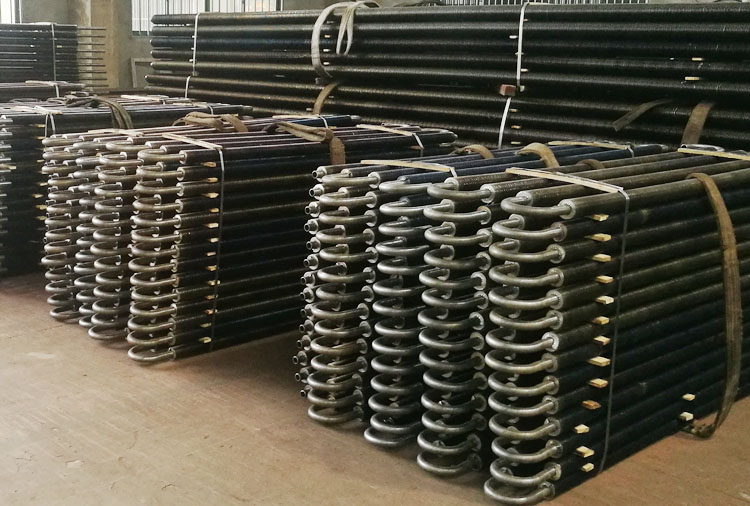
U-bent heat exchanger tubes are specially formed tubes designed for shell-and-tube heat exchangers. Their U-shaped configuration allows the tubes to accommodate thermal expansion and contraction during operation, making them suitable for equipment exposed to changing temperatures and demanding operating conditions.
Unlike straight tubes, U-bent tubes have both ends connected to the same tubesheet. This design provides flexibility for thermal expansion while helping reduce the need for expansion joints in certain heat exchanger configurations.
Lordfintube provides U-bent heat exchanger tube solutions for industrial applications, with product specifications developed according to project requirements and applicable technical standards.
2. What Are U-Bent Heat Exchanger Tubes?
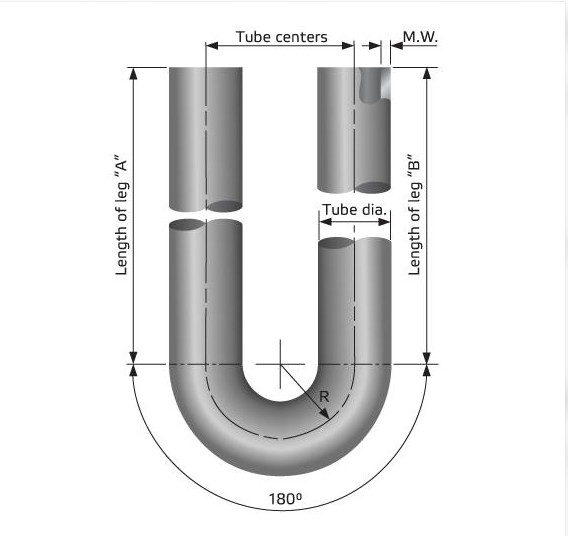
A U-bent heat exchanger tube is a straight metal tube that is accurately bent into a U-shaped configuration. Both ends of the tube are installed in the same tubesheet, while the curved section allows the tube to expand and contract as operating temperatures change.
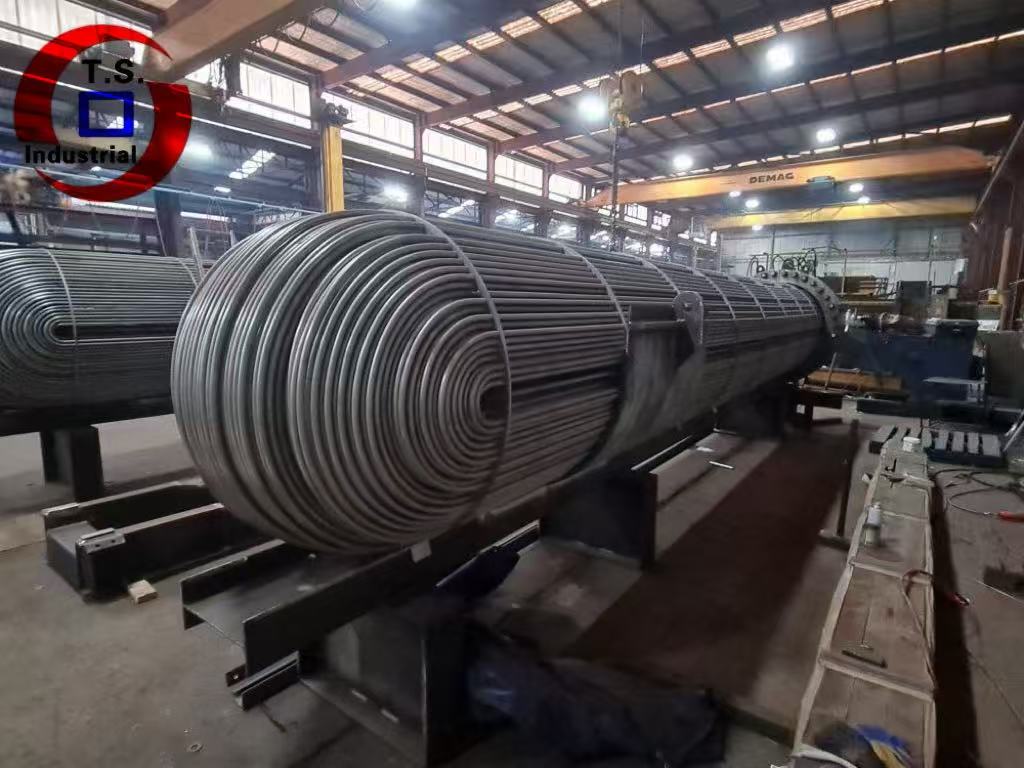
U-bent tubes are commonly used in U-tube heat exchangers, where thermal expansion compensation is an important design consideration.
The main components include:
- Straight tube sections: Provide the heat transfer surface.
- U-bend section: Accommodates thermal expansion and contraction.
- Tube ends: Connect to the tubesheet and form part of the heat exchanger assembly.
3. Working Principle and Key Advantages
During operation, heat exchanger tubes experience temperature changes that cause thermal expansion or contraction. The U-shaped bend provides flexibility, allowing the tube to accommodate relative movement without relying entirely on the rigidity of a straight tube arrangement.
Key Advantages
- Thermal Expansion Compensation: The U-shaped design accommodates differential thermal expansion between tubes and the heat exchanger structure.
- Suitable for High-Temperature Applications: Material selection and design can be tailored to the operating temperature and pressure requirements.
- Compact Configuration: U-tube bundles can provide an efficient arrangement within a shell-and-tube heat exchanger.
- Reduced Expansion Joint Requirements: The flexible tube configuration may eliminate the need for certain shell-side expansion compensation arrangements, depending on exchanger design.
- Practical Maintenance: The removable tube bundle design can facilitate inspection and maintenance of the heat exchanger.
4. Technical Specifications
U-bent heat exchanger tubes can be manufactured according to project specifications, material requirements and applicable standards.
| Parameter | Specification |
|---|---|
| Production Standard | ASME SA-556 / GB/T 24591 |
| Tube Material | Carbon Steel, C2, 20MnG |
| Tube Outside Diameter | 12.0–25.4 mm |
| Wall Thickness | 1.0–4.0 mm |
| Tube Length | Up to 35 m |
Note: Final specifications, tolerances, material grades, testing requirements and tube length definitions should be confirmed according to the approved technical agreement and applicable product standard.
5. Materials and Applicable Standards
Material selection is essential to the performance, durability and service life of U-bent heat exchanger tubes. The appropriate material depends on operating temperature, pressure, fluid composition and corrosion conditions.
Available Material Options
- Carbon Steel: Commonly used in industrial heat exchangers where suitable mechanical properties and operating conditions are required.
- 20MnG: A steel grade used in certain high-temperature pressure-bearing applications, subject to the applicable material specification.
- C2: The exact material designation and corresponding standard should be confirmed in the project specification.
Applicable production and material standards should be selected according to the required tube type, material grade and project requirements. ASME SA-556 and GB/T 24591 are listed as the standards provided for this product range; their exact scope and applicability should be confirmed before ordering.
6. U-Bent Tubes vs. Straight Tubes
U-bent tubes and straight tubes are both used in shell-and-tube heat exchangers. The choice depends on thermal expansion requirements, equipment design, maintenance needs and operating conditions.
| Comparison | U-Bent Tubes | Straight Tubes |
|---|---|---|
| Structure | U-shaped configuration | Straight configuration |
| Thermal Expansion | Accommodates differential expansion through the bend | Depends on exchanger design and expansion compensation arrangement |
| Tube Connections | Both ends connected to one tubesheet | Usually connected to tubesheets at both ends |
| Mechanical Cleaning | More difficult inside the curved section | Generally easier for straight-through mechanical cleaning |
| Typical Application | Applications requiring thermal expansion flexibility | Applications where straight tube access and cleaning are priorities |
7. Industrial Applications
U-bent heat exchanger tubes are used in various industries where heat transfer equipment operates under changing temperatures and demanding process conditions.
- Petrochemical Industry: Used in process heaters, coolers and other heat exchange equipment.
- Power Generation: Applied in condensers, feedwater heaters and auxiliary heat exchangers, depending on equipment design.
- Waste Heat Recovery: Used in systems that recover heat from industrial exhaust gases and process streams.
- Chemical Processing: Suitable for heat exchange processes involving controlled heating and cooling.
- Industrial Energy Systems: Used in heat exchange equipment designed for thermal energy recovery and process efficiency.
8. Selection and Quality Inspection
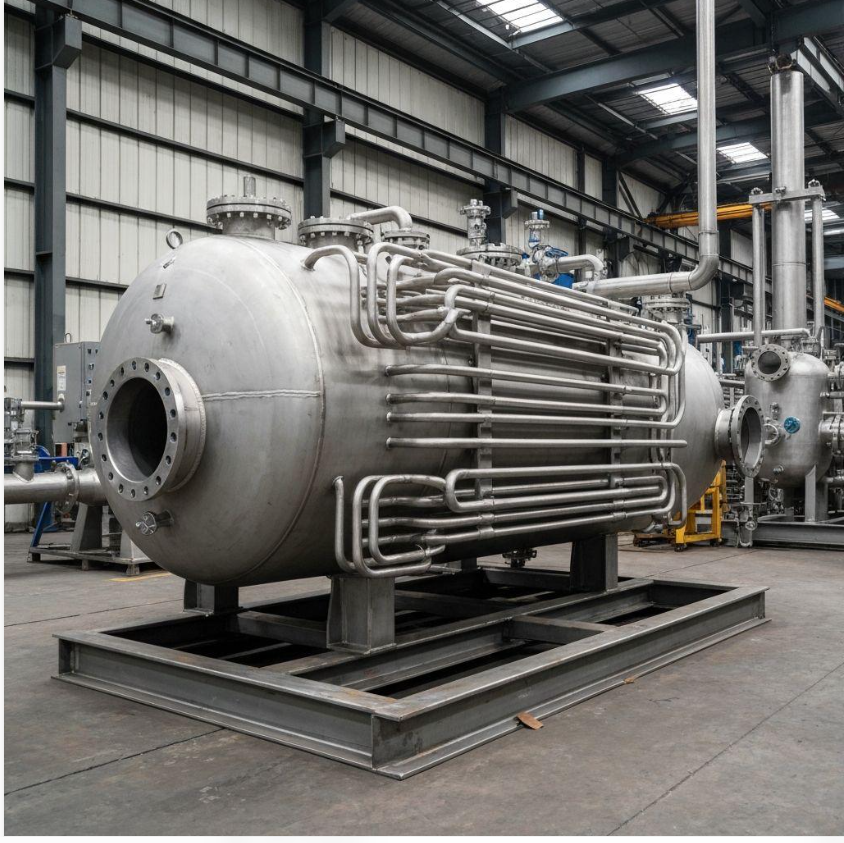
Choosing the right U-bent heat exchanger tube requires consideration of both operating conditions and manufacturing requirements.
Important Selection Factors
- Operating temperature and design pressure
- Fluid properties and corrosion conditions
- Tube outside diameter and wall thickness
- Material grade and applicable standard
- U-bend radius and tube geometry
- Tube length and dimensional tolerances
- Required inspection and testing procedures
Quality Inspection Considerations
Quality control should cover the tube material, dimensions, bending process and finished product condition. Depending on the project specification, inspection may include:
- Material identification and certificate review
- Outside diameter and wall thickness measurement
- Bend radius and dimensional inspection
- Wall-thinning evaluation at the bend section
- Non-destructive testing where specified
- Pressure or other required tests according to the applicable standard
Inspection methods and acceptance criteria should be agreed upon before production.
9. Frequently Asked Questions
Q1: What is the main advantage of U-bent heat exchanger tubes?
The main advantage is their ability to accommodate differential thermal expansion through the flexible U-shaped section.
Q2: What materials are available for U-bent heat exchanger tubes?
The listed material options include carbon steel, C2 and 20MnG. The exact material designation and availability should be confirmed for each project.
Q3: What are the available tube dimensions?
The specified outside diameter range is 12.0–25.4 mm, with wall thicknesses from 1.0–4.0 mm.
Q4: What is the maximum tube length?
The stated maximum tube length is up to 35 m. The measurement basis, such as developed length or another specified length definition, should be confirmed before ordering.
Q5: Are U-bent tubes suitable for high-temperature applications?
They can be used in high-temperature heat exchangers when the material, wall thickness, bend geometry and equipment design are suitable for the operating conditions.
Q6: What information is needed for a quotation?
Please provide the required material grade, tube outside diameter, wall thickness, tube length, bend radius, applicable standard, quantity and inspection requirements. Drawings or technical specifications are also helpful.
10. Contact US
Looking for reliable U-bent heat exchanger tubes for your industrial project?
Shanghai T.S. Industrial welcomes inquiries from heat exchanger manufacturers, engineering companies and industrial equipment suppliers. Send us your technical drawings or product specifications so our team can review your requirements and provide a suitable quotation.
Contact us today to discuss your U-bent heat exchanger tube requirements.