


Lord Fin Tube-ASTM A182 F5 Flange
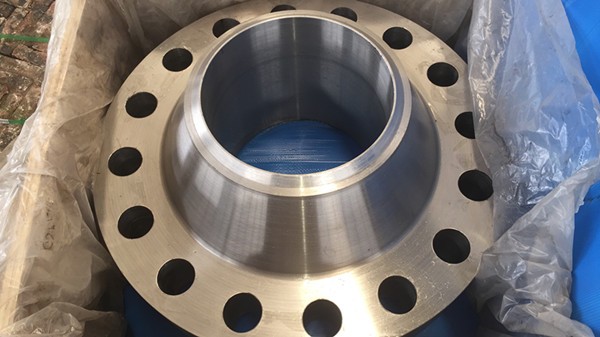
ASTM A182 F5 Flange
ASTM A182 F5 flanges are forged fittings made from chromium-molybdenum alloy steel. These components play a critical role in high-temperature and high-pressure systems across various industries. The materials composition provides exceptional resistance to hydrogen attack and sulfide stress cracking, making it a reliable choice for demanding environments.
Manufacturers produce these flanges in multiple styles including weld neck, slip-on, socket weld, threaded, blind, and lap joint. Each type serves specific connection requirements in piping systems. The forging process ensures a homogeneous grain structure, enhancing mechanical properties compared to cast alternatives.
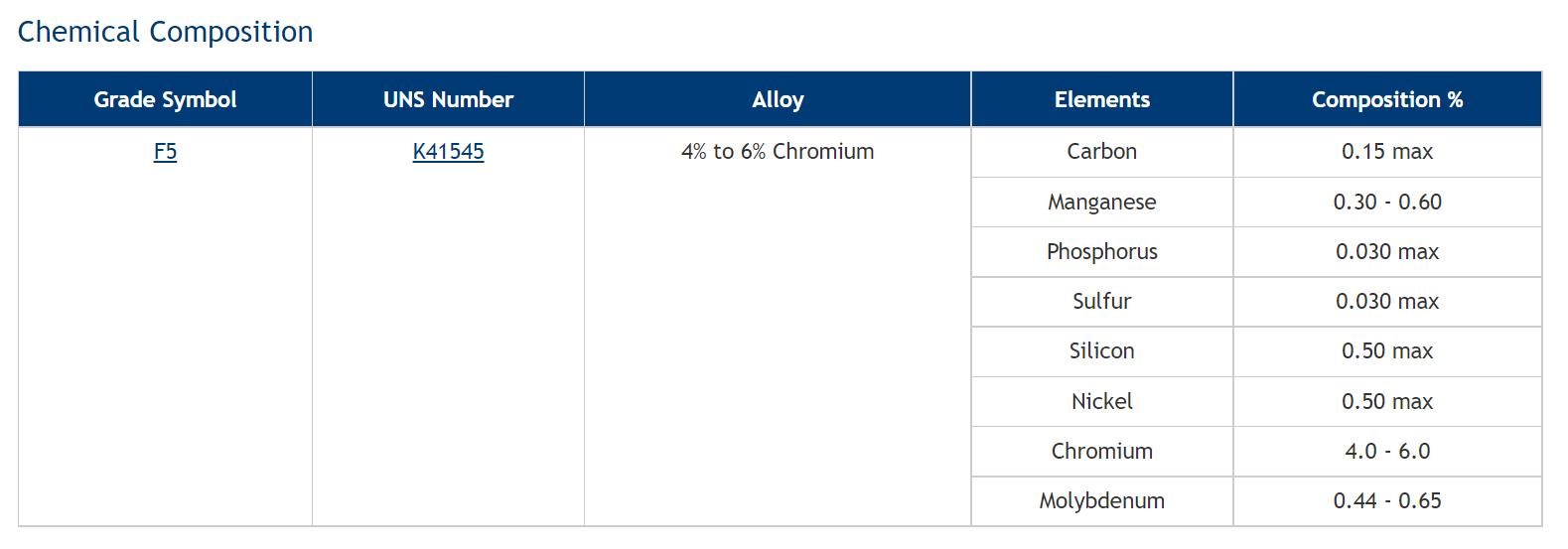
ASTM A182 F5 Chemical Composition
The specific alloy composition of ASTM A182 F5 provides its characteristic high-temperature strength and corrosion resistance. The balance of chromium and molybdenum creates stable carbides that resist creep and maintain strength at elevated temperatures.
| Element | Minimum % | Maximum % | Purpose in Alloy |
|---|---|---|---|
| Carbon (C) | 0.15 | 0.15 | Base strength |
| Manganese (Mn) | 0.30 | 0.60 | Deoxidizer, strength |
| Phosphorus (P) | - | 0.03 | Impurity control |
| Sulfur (S) | - | 0.03 | Impurity control |
| Silicon (Si) | 0.50 | - | Deoxidizer |
| Chromium (Cr) | 4.00 | 6.00 | Oxidation resistance |
| Molybdenum (Mo) | 0.45 | 0.65 | Creep strength |
Note: The composition may include additional trace elements within specified limits. Heat treatment typically involves normalizing and tempering to achieve optimal mechanical properties.
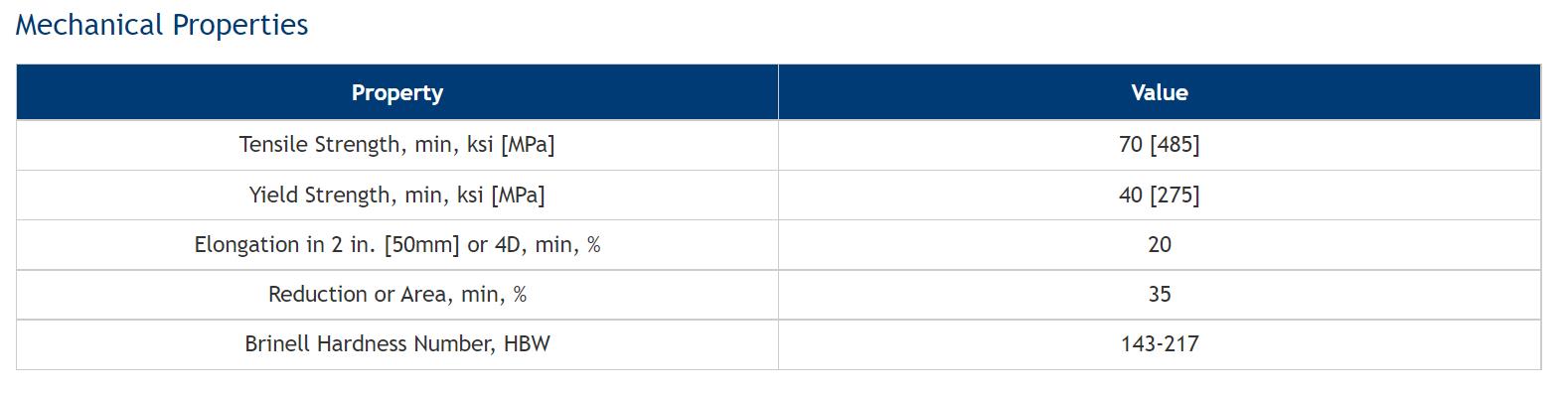
ASTM A182 F5 Mechanical Properties
Mechanical properties are guaranteed through standardized heat treatment procedures. These properties ensure reliable performance under design conditions, particularly for high-temperature service.
| Property | Requirement | Test Method | Notes |
|---|---|---|---|
| Tensile Strength | 415 MPa (60 ksi) | ASTM A370 | Minimum value |
| Yield Strength | 205 MPa (30 ksi) | ASTM A370 | 0.2% offset |
| Elongation | 20% | ASTM A370 | In 2 inches (50mm) |
| Reduction of Area | 30% | ASTM A370 | Minimum |
| Hardness | 143-192 HB | ASTM E10 | Brinell scale |
For high-temperature applications, the maximum allowable stress values follow the ASME Boiler and Pressure Vessel Code, Section II, Part D. Design engineers should consult the appropriate code for temperature-specific values.
ASTM A182 F5 Flange Applications
These flanges serve critical functions in industries where reliability under extreme conditions is non-negotiable. The materials properties make it suitable for both standard and severe service conditions.
Power Generation
Used in high-pressure steam lines, turbine connections, and boiler feed systems where temperatures exceed 500°C (932°F).
Petrochemical Processing
Applied in catalytic cracking units, hydrotreaters, and reforming units handling corrosive hydrocarbons at elevated pressures.
Oil & Gas Refining
Essential for refinery piping systems, especially in sour service environments containing H₂S where sulfide stress cracking is a concern.
Chemical Manufacturing
Used in reactors, distillation columns, and heat exchangers processing aggressive chemicals at high temperatures.
Specific equipment applications include heat exchangers, pressure vessels, condensers, boilers, and connecting piping for high-temperature fluids. When paired with compatible components like ASTM A234 WP5 elbows, they form complete corrosion-resistant piping systems.
ASTM A182 F5 Flange Types
Available in multiple configurations to match different connection requirements and pressure classes. Each type offers distinct advantages for particular installation conditions.
Weld Neck Flanges
Preferred for high-pressure applications. The long tapered hub provides stress distribution, making them suitable for severe service conditions. Available in pressure classes from 150 to 2500.
Slip-On Flanges
Easier alignment during installation, requiring two fillet welds. Cost-effective for lower pressure systems. Commonly used in class 150 and 300 applications.
Socket Weld Flanges
Ideal for small-diameter high-pressure piping. The socket provides smooth flow and good fatigue resistance. Commonly used in instrument lines and sampling systems.
Blind Flanges
Used to seal the end of piping systems. Allow for future expansion. Essential for pressure testing and system isolation during maintenance.
Other available types include threaded flanges for non-welded connections, lap joint flanges for systems requiring frequent disassembly, and reducing flanges for connecting different pipe sizes. Specialty flanges like orifice and spectacle blind flanges serve specific measurement and isolation functions.
Procurement Guidelines for ASTM A182 F5 Flanges
Purchasing agents should specify these key parameters when ordering to ensure material conformity and proper application.
| Parameter | Typical Specification | Importance |
|---|---|---|
| Material Specification | ASTM A182 F5 | Base material requirements |
| Flange Type | Weld Neck, Slip-On, etc. | Connection method |
| Size Range | 1/2" to 36" (or DN15 to DN900) | Piping compatibility |
| Pressure Class | 150, 300, 600, 900, 1500, 2500 | Design pressure rating |
| Facing Type | Raised face, Ring type joint | Gasket sealing surface |
| Heat Treatment | Normalized and Tempered | Required mechanical properties |
| Testing Requirements | Hydrotest, PMI, NDE | Quality verification |
Additional considerations include certification requirements (mill test reports), marking standards, packaging for corrosion protection during shipment, and dimensional tolerances per ASME B16.5 or applicable standards.
For systems operating above 425°C (800°F), specify supplementary requirement S1 for additional tensile testing at elevated temperatures. For corrosion-resistant applications, consider supplementary requirements for stricter chemical composition controls.
Installation and Maintenance Notes
Proper installation of ASTM A182 F5 flanges requires attention to bolt tightening sequences, gasket selection, and alignment. Use appropriate gasket materials compatible with the service temperature and media. Regular inspection should focus on signs of creep, corrosion under insulation, or flange face distortion during high-temperature service cycles.
When replacing existing flanges, verify matching dimensions, pressure class, and facing details. Consider upgrading to ASTM A182 F5 flanges from lower-grade materials when extending service life in aggressive environments or increasing operating parameters.
ASTM A182 F5 flanges provide reliable performance in demanding high-temperature and corrosive applications when properly specified, installed, and maintained.