


Lord Fin Tube--Finned Tube Air Cooler
Finned Tube Air Cooler
A finned tube air cooler serves as a heat exchanger designed to transfer heat from one fluid, typically air or gas, to another fluid, often a liquid. This process relies on finned tubes that expand the surface area for enhanced heat transfer. In industries like oil and gas, chemical processing, and power generation, these coolers are vital for cooling hot process fluids such as hydrocarbons, water, or steam. The hot fluid circulates inside the finned tubes, while cooler air flows externally, with fins boosting heat exchange efficiency. Designs vary based on application needs, including forced or induced draft configurations, vertical or horizontal airflow, and diverse fin types.
Finned Tube Air Cooler Working Principle
The operation involves convective heat transfer: hot process fluids pass through tubes with attached fins, while ambient air is blown across the fins via fans. This setup maximizes surface contact, allowing rapid cooling. Key factors include airflow velocity, tube spacing, and fin density, which directly impact thermal efficiency. For instance, higher fin density suits low-temperature differentials, while wider spacing aids in high-viscosity fluid applications.
Finned Tube Air Cooler Materials
Material selection affects durability, corrosion resistance, and compatibility with fluids. Common options include carbon steel for cost-effective general use, stainless steel for corrosive environments, copper for high thermal conductivity, and aluminum for lightweight applications. The choice hinges on operating temperature, pressure, and fluid chemistry. Below is a comparison table to guide procurement decisions.
| Material | Advantages | Limitations | Typical Applications |
|---|---|---|---|
| Carbon Steel | Cost-effective, high strength, readily available | Prone to corrosion without coating, limited in acidic fluids | Oil refining, low-pressure steam cooling |
| Stainless Steel | Excellent corrosion resistance, durable, hygienic | Higher cost, heavier weight | Chemical plants, food processing, marine environments |
| Copper | Superior thermal conductivity, easy to fabricate | Expensive, susceptible to oxidation | HVAC systems, refrigeration units |
| Aluminum | Lightweight, good corrosion resistance, cost-efficient | Lower strength at high temperatures | Aerospace, automotive cooling, light industrial use |
Finned Tube Air Cooler Fin Types
Fin design influences heat transfer rates and fouling resistance. Plain fins offer simple, low-cost solutions for clean air, while serrated fins enhance turbulence for better efficiency in dusty conditions. Helical fins provide uniform airflow, ideal for high-viscosity fluids. Procurement teams should assess air quality and fluid properties when selecting fin types to balance performance and maintenance needs.
Finned Tube Air Cooler Applications
These coolers are deployed across sectors: in oil and gas for condensing hydrocarbons, in power plants for turbine cooling, and in chemical industries for reactor effluent cooling. They also serve in HVAC and refrigeration systems. Customization options, such as tube bundle arrangements and fan placements, allow adaptation to space constraints and environmental conditions.
Finned Tube Air Cooler Selection Factors
Buyers should evaluate cooling capacity, pressure drop, ambient temperature ranges, and footprint. Energy efficiency metrics, like fan power consumption, impact operational costs. Additionally, consider accessories like vibration isolators and control systems for enhanced reliability. Partnering with experienced manufacturers ensures tailored solutions—explore finned tube air coolers for specialized designs.
Finned Tube Air Cooler Maintenance
Regular maintenance extends service life. This includes cleaning fins to prevent fouling, inspecting tubes for corrosion, and monitoring fan performance. Using corrosion-resistant materials and protective coatings can reduce upkeep. Procurement should factor in long-term maintenance costs when choosing materials and designs.
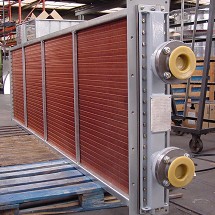
Finned tube air coolers offer compact, efficient cooling solutions that can be customized for diverse industrial needs. By focusing on material quality, fin design, and application-specific features, buyers can achieve optimal heat exchange performance. For further details on advanced configurations, consult technical experts or visit resource pages.