


What Is a Furnace Tube?
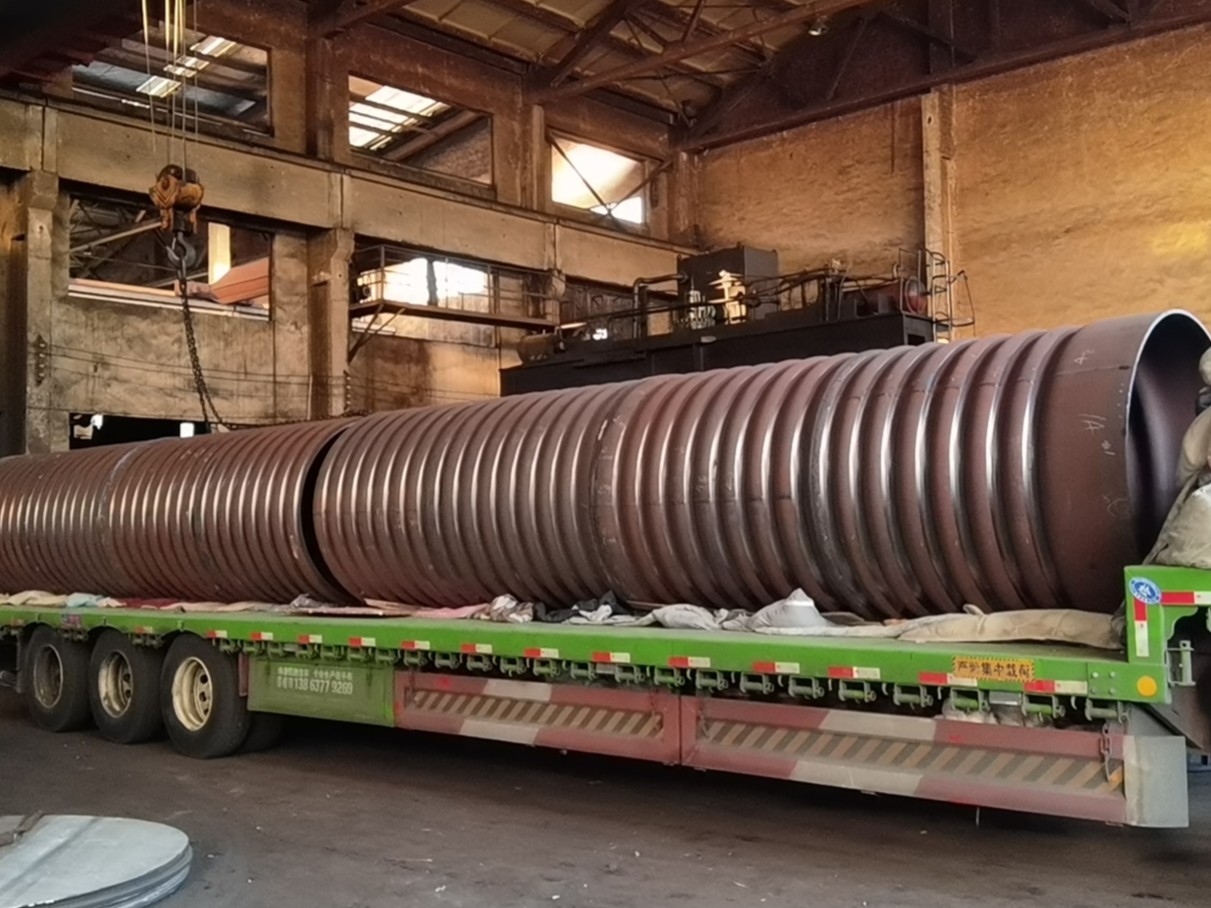
Furnace tubes are the seamless or centrifugally cast pipes inside fired heaters, steam reformers, and cracking furnaces. They carry hydrocarbon process streams through the radiant zone, where metal temperature typically runs above 800°C (1470°F). At that temperature the tube sits in the creep regime, and the failure modes that matter are creep rupture, carburization, and oxidation. The tube is also the main pressure-containing part of the radiant section, so wall thickness and material grade are not cosmetic choices.
Lordfintube supplies furnace tubes in carbon steel, alloy steel, stainless steel, and nickel alloys, made to ASTM and ASME standards or to project specifications.
Key Parameters
Four numbers decide how thick the wall has to be and how many years the tube will last.
Creep Rupture Strength
The stress that breaks the tube after a set time at a set temperature. Furnace tube design usually uses the 100,000-hour rupture stress at the design metal temperature. That value sets the wall thickness and the remaining-life calculation. The Larson-Miller parameter (LMP) is the common way to line up creep rupture data across temperatures.
Outside Diameter and Wall Thickness
OD and WT set the heat transfer area, the pressure rating, and how stiff the tube is. Centrifugal cast tubes come with an as-cast OD and a bored ID. Wall thickness may be specified as minimum wall or average wall — the two are not the same thing, and mixing them up causes real problems at the mill.
Ovality
The gap between the largest and smallest OD measured on one cross-section. It decides how well two tube ends line up for welding, and how evenly heat moves around the circumference.
Carburization Resistance
Carburization is carbon diffusing into the wall at high temperature. The wall gets brittle and loses creep ductility. Chromium, nickel, silicon, and niobium help by holding a stable oxide scale or tying up carbon as carbides.
How Furnace Tubes Are Made
Two routes produce creep-resistant furnace tubes: extrusion and centrifugal casting.
Centrifugal Casting
Molten alloy is poured into a spinning tubular mold. It solidifies from the outside in, giving a columnar, dense grain structure and higher carbon than extruded stock. The bore is then machined to the specified ID. That combination — coarse columnar grains plus higher carbon — is what gives cast tubes their edge in creep. Centrifugal casting is the standard route for high-alloy radiant coils in steam crackers and reformers.
Extrusion
A heated billet is pierced and pushed through a die. The result is a seamless tube with fine, equiaxed grains and lower carbon. Extruded tubes weld and bend more easily than cast ones, but they lose creep rupture strength at the same temperature. They are common in lower-temperature fired heaters, convection sections, and anywhere welding and bending matter more than maximum creep life.
| Parameter | Centrifugal Casting | Extrusion |
|---|---|---|
| Grain structure | Columnar, coarse | Fine, equiaxed |
| Carbon content | Higher | Lower |
| Creep rupture strength | Higher at temperature | Lower at temperature |
| Ductility and weldability | Limited | Good |
| Typical service | Steam cracker and reformer radiant coils | Fired heaters, convection sections |
How Wall Thickness Is Worked Out
Wall thickness comes out of the mean diameter formula, with the creep allowable stress plugged in:
t is the minimum wall thickness. P is the internal design pressure. Do is the outside diameter. S is the allowable stress at the design metal temperature — pulled from creep rupture curves, not a fixed material number. CA is the corrosion allowance, set by the project based on how fast the tube is expected to carburize or oxidize.
S is where the standards diverge. ASME BPVC Section VIII Division 1, EN 13445, and API 530 each apply their own safety factors and data sources. Do not mix them. Final wall thickness has to be signed off by the responsible engineer using the governing code and the mills certified material data.
What to Weigh When Choosing
Tube Diameter vs. Furnace Length
Bigger tube, fewer parallel passes for the same flow, shorter furnace. Typical design procedures put the saving at 10–20% in furnace length. The cost: methane conversion in steam reformer service drops by 3–6% for the same inlet feed and catalyst weight. Capital cost against process yield.
Wall Thickness vs. Heat Transfer
Thicker wall holds more pressure and buys creep margin. It also adds thermal resistance. In practice you cant go thicker than the inside radius of the passage. Pick the thinnest wall that still satisfies creep rupture life, corrosion allowance, and handling requirements.
Creep Strength vs. Carburization Resistance
The alloys with the best creep rupture strength at 900–1100°C are usually cast grades with high nickel and chromium. They also resist carburization well. The price is ductility and weldability — wrought grades beat them on both, but give up creep life.
Material Cost vs. Service Life
A 25Cr/35Ni/Nb cast tube costs more per meter than a lower alloy. In a carburizing environment it can last years longer. Run the life-cycle cost, not the first-cost comparison.
Typical Parameter Range
| Parameter | Typical Range | Unit | Notes |
|---|---|---|---|
| Outside diameter | 50–250 | mm | Cast and extruded |
| Wall thickness | 6–35 | mm | Set by pressure and creep allowance |
| Tube length | Up to 12,000 | mm | Cast; extruded runs shorter |
| Ovality | ≤2% of OD | % | Confirm against ASTM spec |
| Design metal temperature | 800–1,100 | °C | Creep regime |
| Design pressure | 0.5–8 | MPa | Process-dependent |
| Creep rupture life basis | 100,000 | hours | Common design basis |
All values above are typical range only. Final parameters must be confirmed by the project specification, the responsible engineer, and the manufacturers certified data. The same applies to every range quoted in this article.
Materials and Standards
Material selection comes down to four things pulling against each other: creep rupture strength, carburization and oxidation resistance, high-temperature ductility, and cost.
| Material Type | Typical Grade | Applicable Standard | Service Note |
|---|---|---|---|
| Carbon steel | A179, A192, A210 | ASTM A213 / ASME SA213 | Lower-temperature fired heaters |
| Alloy steel | T11, T22, T9 | ASTM A213 / ASME SA213 | Moderate temperature, oxidation resistance |
| Austenitic stainless | TP304H, TP321H, TP347H | ASTM A213 / A312 | Good creep strength, weldable |
| 25Cr/20Ni stainless | TP310S, TP310H | ASTM A213 / A312 | Carburization and oxidation resistance |
| Centrifugal cast high alloy | HK40, HP45Nb, 25Cr/35Ni/Nb | ASTM A297 / project specification | Steam cracker and reformer radiant coils |
Grades shown are typical range. The governing standard and grade must be confirmed per project. No certification or approval beyond the referenced specifications is implied.
Where Furnace Tubes Are Used
Ethylene
Radiant and convection coils in steam cracker furnaces.
Hydrogen and Syngas
Steam methane reformer tubes, 800–950°C, up to 3 MPa internal pressure.
Refining
Atmospheric and vacuum distillation fired heaters, coker furnaces, visbreaker heaters.
Vinyl Chloride
Tubes exposed to hydrogen chloride and hydrocarbon streams.
Ammonia
Primary reformer tubes and auxiliary fired heaters.
Petrochemicals
Process heaters and cracking furnaces across a range of feedstocks.
How to Specify Furnace Tubes
Work through these in order for a new installation or a retube.
- Fix the process duty. Fluid composition, inlet and outlet temperatures, mass flow, allowable pressure drop.
- Get the design metal temperature. Work it out from heat flux, process temperature, and wall thermal resistance. Add the code-required margin.
- Shortlist materials. Match design metal temperature and atmosphere — oxidizing, reducing, or carburizing — to a material group. Pull the 100,000-hour creep rupture data at that temperature.
- Calculate minimum wall. Mean diameter formula, allowable stress from the creep data, plus corrosion allowance and mill tolerance.
- Pick the route. Centrifugal cast for maximum creep life in hot radiant service. Extruded where welding and bending matter more.
- Set tolerances and inspection. OD, WT, ovality, straightness. NDT methods. Hydrostatic test pressure.
- Confirm with the mill. Check the spec against the mills actual capability and the certified test reports.
Quality and Inspection
Inspection happens twice: at the mill before shipment, and in the field during shutdowns.
Mill Inspection
- Chemical analysis: alloy composition against the specified grade.
- Tension test: tensile, yield, elongation.
- Flattening and flaring: ductility of seamless tubes.
- Hydrostatic or NDT electric test: one per tube, verifies pressure integrity.
- Dimensional: OD, WT, ovality, length against tolerance.
In-Service Inspection
- Wall thickness: ultrasonic or radiographic, to catch creep thinning.
- Metallographic replication: carbide precipitation and creep damage.
- Dimensional survey: diameter growth and bowing.
- Hydrostatic test after repair: confirms the repaired or replaced section.
Packing and Shipping
Furnace tubes are long, heavy, and easy to bend or scuff. Standard practice:
- Ends: plastic or wooden caps over the bevel and the bore.
- Bundles: steel strapping with wood or rubber separators so tubes dont rub metal-to-metal.
- Support: continuous or multi-point wooden cradles to stop sagging in storage and transit.
- Marking: heat number, grade, size, and PO reference on each tube or bundle.
- Documents: mill test certificates, packing list, dimensional inspection records.
Packing and shipping requirements vary by project and destination. Final requirements go in the purchase specification.
Frequently Asked Questions
It depends entirely on the alloy. Carbon steel tops out around 450°C. TP321H and TP347H run to roughly 700–750°C. Centrifugally cast high-alloy grades go to 1,000–1,100°C metal temperature in cracker and reformer service. Confirm the real limit against the specific alloys creep rupture data and the project spec.
Through the Larson-Miller parameter, which ties temperature and time to rupture together. Take the allowable stress from the 100,000-hour creep rupture curve at design metal temperature, then size the wall so hoop stress stays below it. Remaining life in service comes from comparing accumulated exposure to the original design basis — either the LMP method or the Omega method per API 581.
Cast tubes have coarse columnar grains and higher carbon, which is why they beat extruded tubes on creep rupture strength at high temperature. Extruded tubes have fine equiaxed grains and lower carbon — better ductility, better weldability, less creep strength. Cast for radiant coils in crackers and reformers; extruded for convection sections and cooler fired heaters.
It shortens life two ways. First it embrittles the wall, so thermal cycling cracks it. Second it eats into the pressure-carrying thickness. Higher chromium and nickel, plus silicon or niobium additions, hold up better. How fast it happens depends on gas composition, temperature, and whether the protective oxide scale stays intact.
Industry practice for tubes over 25.4 mm (1 in.) is 2% of the specified OD. The governing ASTM spec or the project datasheet sets the real number. Tighter tolerances are sometimes called out for critical radiant coil work, because ovality affects both weld fit-up and how evenly heat spreads around the circumference.
Yes — cut out the damaged section, weld in a replacement tube or patch. How easy that is depends on the alloy. TP321H and TP347H weld readily with matching filler. High-alloy cast grades need controlled preheat and post-weld heat treatment. Any field repair needs a qualified welding procedure and post-repair inspection, hydrostatic or NDT.
Creep deformation — internal pressure, tube weight, and thermal gradients all pulling at once. High metal temperature, hot spots, and support spacing thats too wide make it worse. Left alone, bowing leads to tube-to-tube contact, restricted flow, and higher pressure drop. Track diameter growth and bowing at every shutdown to catch tubes near end of life.
Need a furnace tube specification review, or a quote for centrifugal cast or extruded tubes?