


Feed Water Preheaters and Economizers for Oil and Gas Fired Plants
Feed water preheaters and economizers are essential components in oil and gas-fired power plants, playing a crucial role in improving overall efficiency by recovering waste heat from flue gas. While both serve similar purposes, they differ in design, function, and placement within the system. Understanding the technical differences between Feed water preheaters VS economizers is key to optimizing plant performance.
Manufacturers design these components based on specific operational parameters, including flue gas temperature, pressure drop limitations, and material compatibility. The selection between preheaters and economizers depends on factors like plant size, fuel type, and efficiency targets.
Feed Water Preheaters VS Economizers
Feed water preheaters and economizers both recover waste heat, but they operate at different stages of the thermal cycle. Preheaters typically use low-grade heat from extraction steam or low-temperature flue gas, while economizers utilize higher-grade heat from boiler exhaust gases. This fundamental difference affects their design, placement, and efficiency gains.
From a manufacturers perspective, the choice between these systems involves careful calculation of heat transfer requirements, material selection for corrosion resistance, and space constraints. Modern plants often integrate both to maximize heat recovery across the entire temperature range.
| Aspect | Feed Water Preheaters | Economizers |
|---|---|---|
| Primary Function | Preheat feed water using low-grade waste heat | Recover medium-to-high grade heat from boiler exhaust |
| Typical Location | Between feed pump and economizer, often external to flue gas path | In flue gas duct before air preheater or stack |
| Heat Source | Extraction steam or low-temperature flue gas | Hot flue gas from boiler (typically 300-600°F range) |
| Temperature Range | Lower temperature operation (150-350°F) | Higher temperature operation (250-500°F) |
| Common Designs | Shell and tube, plate-type heat exchangers | Bare tube or finned tube arrangements in inline/staggered layouts |
| Material Considerations | Carbon steel often sufficient due to lower temperatures | May require corrosion-resistant alloys (e.g., Corten) for acid dew point protection |
| Efficiency Impact | Improves overall cycle efficiency, reduces boiler thermal stress | Directly increases boiler efficiency by 2-6%, reduces fuel consumption |
| Maintenance Needs | Water-side cleaning if source is contaminated, less gas-side fouling | Regular sootblowing required, gas-side fouling common |
Design Considerations for Manufacturers
Material Selection: Economizers operating with fuels containing sulfur require careful material selection to prevent acid dew point corrosion. Manufacturers often specify Corten steel or similar corrosion-resistant alloys for the coldest sections. Preheaters using steam as the heat source have less corrosive environments but require attention to thermal stress management.
Fouling Management: Gas-side fouling is a primary concern for economizers. Design considerations include adequate sootblower lanes, accessible tube arrangements, and appropriate fin spacing. For oil-fired applications, wider spacing and steam-assisted sootblowers are often recommended. Preheaters require provisions for water-side cleaning when using contaminated water sources.
Space Optimization: Retrofitting heat recovery equipment into existing plants presents spatial challenges. Compact finned tube bundles are standard for economizers in space-constrained installations. For preheaters, plate-type or modular shell-and-tube designs offer flexibility for placement outside the main flue gas path.
Performance Optimization
The most efficient power plants typically employ both preheaters and economizers in series. This arrangement allows for cascading heat recovery: feed water first passes through the preheater (using low-grade heat), then through the economizer (using higher-grade flue gas heat), before entering the boiler. This approach maximizes energy recovery across the temperature spectrum.
Manufacturers use pinch analysis to determine the optimal heat duty distribution between preheaters and economizers. The objective is to minimize capital costs while meeting efficiency targets. In some cases, adding a preheater can reduce the required size of the economizer, impacting overall project economics.
Long-Term Operational Benefits
Beyond immediate fuel savings, well-designed heat recovery systems extend equipment life by reducing thermal stresses and minimizing corrosion. They also provide operational flexibility; during low-load operation, preheaters can maintain stable feed water temperatures when economizer performance decreases.
Modern monitoring systems allow real-time tracking of both preheater and economizer performance, alerting operators to fouling or leaks before they significantly impact plant output. This predictive maintenance capability is now standard in new installations and retrofits.
For plant engineers evaluating upgrades or new construction, the decision between implementing a feed water preheater, an economizer, or both requires detailed analysis of fuel type, load profile, space availability, and cost considerations. Consultation with experienced manufacturers during the planning phase ensures the selected configuration delivers optimal return on investment over the plants operational life.
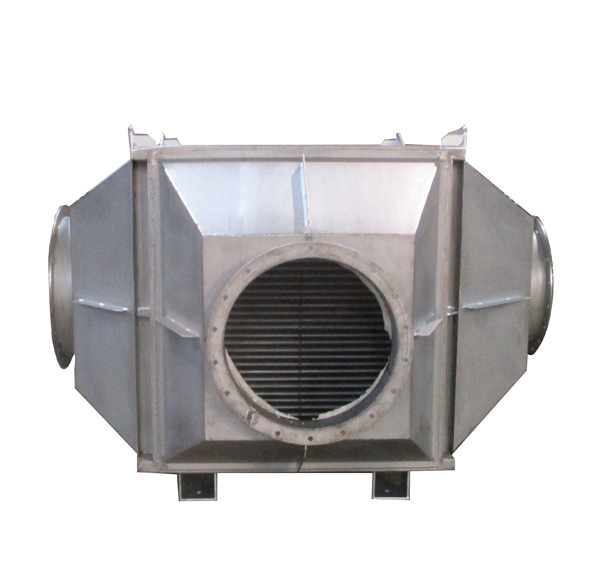
Both feed water preheaters and economizers contribute significantly to energy conservation and emission reduction in oil and gas-fired plants. By understanding their distinct roles and proper application, plant operators can achieve maximum efficiency while meeting environmental regulations and reducing operational costs.