

Industrial heaters finned tube
What Are Industrial Finned Tube Heaters and How Do They Function?
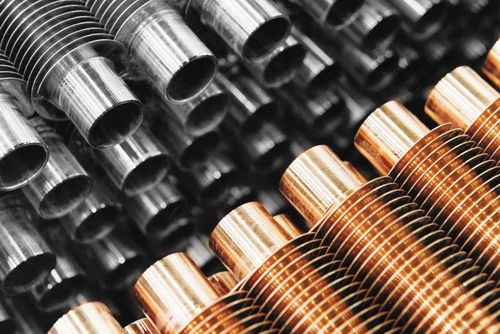
When you need to heat large volumes of air, gas, or liquid in industrial settings, what type of equipment provides the most effective solution? Industrial finned tube heaters emerge as a preferred choice for their balance of efficiency and practicality. These systems incorporate tubes with extended surfaces—fins—that dramatically increase the area available for heat exchange.
Understanding Their Construction and Materials
What materials work best for these components, and how are they assembled? The answer depends largely on operating conditions and the medium being heated.
Tube Materials
Which materials withstand high temperatures and corrosive fluids? Stainless steel grades (304, 316L) handle most corrosive environments, while carbon steel suits high-pressure systems. For specialized applications, copper or nickel alloys offer superior thermal conductivity.
Fin Materials
How do fin materials affect performance? Aluminum provides excellent heat dissipation for air heating, copper maximizes conductivity where efficiency is critical, and stainless steel fins maintain integrity in corrosive or high-temperature environments.
Attachment Methods
What keeps fins securely attached to tubes? Methods vary from tension wrapping for basic applications to welded construction for demanding conditions. Embedded fin designs offer mechanical locking that withstands thermal cycling.
Which Finned Tube Types Serve Different Applications?
Not all finned tubes perform identically. Their design variations address specific thermal challenges and operational requirements.
Where Are These Heating Systems Typically Installed?
What industrial processes benefit from finned tube heating technology? The applications span numerous sectors where controlled, efficient heating is essential.
Chemical Processing
How do these heaters support chemical manufacturing? They maintain precise temperatures in reactors, heat process streams, and warm storage vessels containing various chemicals and solvents.
Manufacturing Operations
What role do they play in production facilities? From drying ovens and paint curing lines to plastic extrusion processes, these heaters provide consistent thermal conditions.
Energy Generation
How are they integrated into power systems? They preheat combustion air for boilers, maintain fuel oil viscosity, and recover waste heat in economizer sections.
Environmental Control
What heating challenges do they solve in facilities? Large-space heating, dehumidification systems, and ventilation air tempering all utilize finned tube configurations.
What Operational Benefits Do These Systems Deliver?
Why do engineers frequently specify finned tube designs over alternative heating methods? Several practical advantages influence this decision.
- How do they improve thermal performance? The extended fin surface can multiply effective heat transfer area 5-20 times, allowing smaller equipment to handle substantial heating loads.
- What space considerations matter? Their compact nature means they fit into tight mechanical rooms or equipment skids where larger heating systems wouldnt work.
- How responsive are they to control inputs? The thin fin material reacts quickly to temperature changes, enabling precise process control that thicker-walled heaters cant match.
- What about long-term operating costs? Their efficiency reduces energy consumption, while durable construction minimizes maintenance expenses over years of service.
How Are These Heaters Installed and Maintained?
Installation Approaches
What installation configurations work best? These heaters can mount horizontally or vertically, in single rows or staggered banks. Proper support prevents tube sagging, while expansion joints accommodate thermal movement. Professional installation ensures optimal airflow and heat distribution.
How do maintenance requirements affect long-term reliability? Regular inspection preserves performance:
- What visual signs indicate problems? Look for fin damage, corrosion spots, or debris accumulation between fins
- How often should cleaning occur? Frequency depends on the environment—dusty or dirty conditions require more frequent attention
- What cleaning methods work effectively? Compressed air, vacuum systems, or specialized cleaning solutions remove contaminants
- How can you monitor performance? Temperature readings at inlet and outlet reveal efficiency changes over time
What Developments Are Shaping Future Designs?
How is this technology evolving to meet changing industrial needs?
- What material innovations show promise? Advanced coatings that resist fouling, composite materials with improved conductivity, and corrosion-resistant alloys for harsh environments
- How are manufacturing methods improving? Precision welding techniques for stronger fin bonds, automated quality control systems, and computer-optimized fin patterns
- What integration possibilities exist? Combining with heat recovery systems, incorporating temperature sensors for smart monitoring, and designing for specific renewable energy applications
When evaluating heating options for industrial processes, finned tube systems offer a combination of efficiency, durability, and flexibility. Their ability to transfer substantial thermal energy in compact spaces makes them valuable across numerous industries. Understanding how they work, where they excel, and what maintenance they require helps ensure successful implementation. For specialized applications, consulting with experienced manufacturers like those producing Industrial heaters provides technical insights for specific operational requirements.