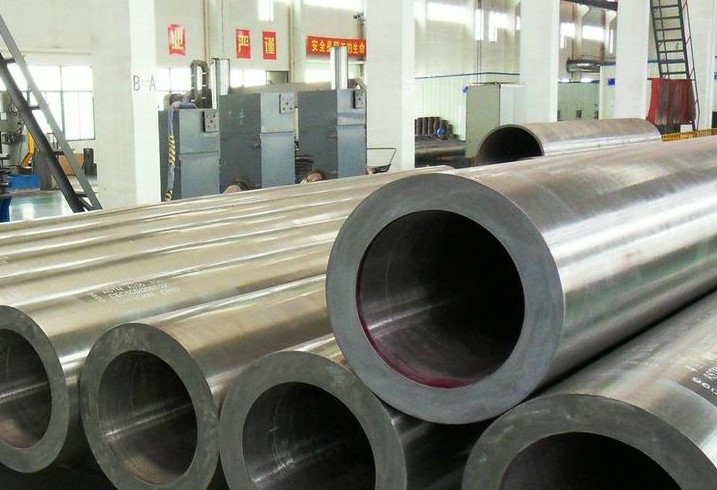

What is corrosion resistant nickel alloy pipe?
Corrosion Resistant Nickel Alloy Pipes
Nickel alloy pipes represent premium engineering solutions designed for extreme operating conditions, offering exceptional resistance to corrosion, high-temperature stability, and superior mechanical strength. These advanced materials are essential components in industries where conventional steel pipes would rapidly deteriorate.
Primary Nickel Alloy Varieties for Industrial Piping
►Inconel Alloys - Nickel-chromium-based superalloys renowned for maintaining structural integrity in high-temperature environments while resisting oxidation and corrosion. Ideal for aerospace components, chemical processing equipment, and power generation systems.
►Monel Alloys - Nickel-copper compositions delivering high tensile strength and exceptional corrosion resistance, particularly in acidic and marine environments. Widely implemented in offshore oil and gas production, marine engineering, and chemical processing applications.
►Hastelloy Alloys - Nickel-molybdenum-chromium formulations providing outstanding performance in severely corrosive conditions and extreme temperatures. Commonly specified for chemical processing equipment, pollution control systems, and nuclear applications.
►Nickel-Copper Alloys (Cupronickel) - Specifically engineered for marine and offshore applications, these alloys demonstrate remarkable resistance to seawater corrosion and biofouling, making them ideal for desalination plants, shipbuilding, and coastal power facilities.
Alloy Composition and Performance Comparison
| Alloy Type | Ni (%) | Cr (%) | Mo (%) | Cu (%) | Other Elements | Max Service Temp (°C) | Primary Resistance |
|---|---|---|---|---|---|---|---|
| Inconel 625 | 58+ | 20-23 | 8-10 | — | Nb+Ta, Fe | 980 | Oxidation & chloride pitting |
| Monel 400 | 63+ | — | — | 28-34 | Fe, Mn | 480 | Seawater & acid resistance |
| Hastelloy C276 | 57+ | 14-16 | 15-17 | — | W, Fe | 1040 | Severe acid & pitting |
| Cupronickel 90/10 | 10 | — | — | 88 | Fe, Mn | 300 | Biofouling & seawater |
Industrial Applications of Nickel Alloy Pipes
Corrosion resistant nickel alloy pipes serve critical functions across multiple high-performance industries where reliability and longevity are paramount. Their implementation ensures operational safety and reduces maintenance costs in demanding environments.
Key Performance Advantages
►Superior corrosion resistance against acids, alkalis, saltwater, and other aggressive chemicals, ensuring extended service life in harsh processing environments.
►Exceptional high-temperature performance, maintaining mechanical properties and oxidation resistance in furnace applications, heat exchangers, and high-pressure steam systems.
►Excellent mechanical strength and fatigue resistance, providing reliable performance under cyclic loading conditions and high-stress applications.
►Enhanced resistance to stress corrosion cracking and pitting corrosion, significantly reducing failure risks in critical piping systems.
Mechanical Properties at Elevated Temperatures
| Property | Inconel 625 | Monel 400 | Hastelloy C276 | Cupronickel 90/10 |
|---|---|---|---|---|
| Tensile Strength (MPa) | 930 | 550 | 790 | 275 |
| Yield Strength (MPa) | 490 | 210 | 355 | 105 |
| Density (g/cm³) | 8.44 | 8.80 | 8.89 | 8.94 |
| Melting Range (°C) | 1290-1350 | 1300-1350 | 1325-1370 | 1170-1240 |
| Thermal Conductivity (W/m·K) | 9.8 | 21.8 | 10.2 | 45.0 |
Strategic Industry Implementations
Chemical Processing Industry: Handling corrosive media, acids, and caustic solutions in reactors, heat exchangers, and transfer lines.
Oil and Gas Production: Offshore platforms, subsea pipelines, and refinery operations exposed to sour gas, CO₂, and chloride-containing environments.
Power Generation: Nuclear power plant components, fossil fuel boilers, and waste-to-energy systems requiring high-temperature strength and corrosion resistance.
Aerospace and Defense: Aircraft hydraulic systems, engine components, and rocket propulsion systems demanding lightweight, high-strength materials.
Marine Engineering: Seawater cooling systems, ballast piping, and offshore structures exposed to marine corrosion.
What Factors Determine Alloy Selection for Piping Systems?
Selecting the appropriate nickel alloy for a piping system requires careful evaluation of several interdependent variables. Which operating temperature range will the pipe encounter? How aggressive are the chemical media, and what concentrations of chlorides, acids, or sulfides are present? What mechanical loads — including internal pressure, external bending, and thermal cycling — will the pipe sustain during its service life?
Why does alloy composition matter so decisively? The answer lies in the microstructural stability that each alloying element provides. Chromium enhances oxidation resistance, molybdenum improves pitting resistance in reducing acids, and copper delivers exceptional performance in seawater and acidic environments. By matching the alloys corrosion resistance profile to the specific service environment, engineers can achieve decades of reliable operation with minimal maintenance interventions.
How Quality Assurance Validates Nickel Alloy Pipe Performance
Quality assurance protocols for corrosion resistant nickel alloy pipes encompass rigorous material testing and dimensional verification at every production stage. Which tests are typically performed? Chemical composition analysis via optical emission spectrometry confirms alloy conformity to ASTM and ASME specifications. Mechanical testing — including tensile, hardness, and impact tests — verifies that the pipe meets required strength and ductility parameters. Non-destructive examination methods such as ultrasonic testing, eddy current inspection, and dye penetrant testing detect surface and subsurface discontinuities that could compromise service integrity.
Why is third-party inspection often mandated for critical applications? Independent verification provides an additional layer of assurance, ensuring that the pipes corrosion resistance, mechanical properties, and dimensional accuracy align with project-specific requirements. This is particularly vital in nuclear, aerospace, and offshore oil and gas installations where component failure carries severe safety and economic consequences.
Which Installation Practices Extend Nickel Alloy Pipe Service Life?
Proper installation techniques directly influence the long-term performance of nickel alloy piping systems. What practices should contractors prioritize? Careful handling to avoid surface scratches and gouges prevents corrosion initiation sites. Appropriate welding procedures — including preheating, interpass temperature control, and post-weld heat treatment — preserve the alloys corrosion resistance in the heat-affected zone. Why does joint preparation matter so much? Clean, oxide-free surfaces ensure sound welds with full penetration and minimal porosity, reducing the risk of crevice corrosion and stress corrosion cracking at welded connections.
Which environmental controls during installation make a difference? Protecting the pipe interior from moisture and contaminants during storage and assembly prevents pitting initiation. Supporting the pipe with appropriate hangers and guides minimizes mechanical stress concentrations. Regular inspection and maintenance, including thickness monitoring and visual examination of critical areas, enables early detection of any degradation and supports informed repair or replacement decisions.
While the initial investment in nickel alloy pipes may exceed conventional materials, their extended service life, reduced maintenance requirements, and superior reliability deliver significant long-term cost savings and operational benefits.
Corrosion resistant nickel alloy pipes represent engineering excellence in material science, providing indispensable solutions for industries operating in aggressive environments where failure is not an option. Their continued development and implementation push the boundaries of whats possible in extreme condition engineering.