


Lord Fin Tube-Nickel-based alloy seamless tubing
Nickel-Based Alloy Seamless Tubing
What is Nickel-Based Alloy Seamless Tubing?
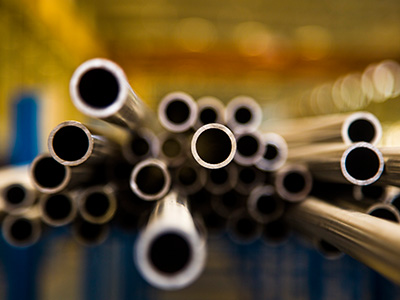
Nickel-based alloys represent advanced metallic materials engineered to maintain structural integrity and resist degradation in aggressive environments. These alloys demonstrate exceptional performance at elevated temperatures ranging from 650°C to 1000°C while offering remarkable resistance to oxidation and corrosion. The seamless manufacturing process ensures uniform microstructure without welded seams, creating tubing with superior pressure containment capabilities.
Industrial applications for these specialized components span multiple sectors including petroleum refining, chemical processing, high-pressure boiler systems, nuclear power generation, aerospace engineering, marine installations, and advanced environmental control systems. The unique properties of nickel alloy seamless tubing make it indispensable for critical service conditions where failure is not an option.
Key Advantage: The homogeneous structure of seamless nickel alloy tubing eliminates potential weak points associated with welding, providing enhanced reliability for high-pressure and high-temperature applications.
Nickel-Based Alloy Seamless Tubing Versus Stainless Steel
While standard stainless steels serve adequately in many applications, nickel-based alloys provide distinct advantages in demanding environments. The fundamental difference lies in the alloy composition, where nickel serves as the primary matrix element rather than iron. This fundamental distinction translates to measurable performance benefits in severe operating conditions.
| Performance Characteristic | Nickel-Based Alloy Tubing | Standard Stainless Steel Tubing |
|---|---|---|
| Maximum Service Temperature | Up to 1100°C (depending on alloy) | Typically below 800°C |
| Chloride Stress Corrosion Resistance | Excellent resistance | Susceptible in many grades |
| Acidic Environment Performance | Superior resistance to sulfuric, hydrochloric acids | Limited resistance |
| Oxidation Resistance at High Temperature | Forms protective chromium oxide layer | May suffer from scaling |
| Mechanical Strength at Elevated Temperatures | Maintains strength above 50% of room temperature value | Significant strength reduction |
| Thermal Expansion Coefficient | Lower expansion rates | Higher expansion rates |
The industrial landscape continues to evolve with increasingly demanding operational parameters. Modern chemical processes, power generation systems, and resource extraction operations frequently encounter conditions exceeding the capabilities of conventional materials. This progression drives growing adoption of nickel alloy seamless tubing where operational reliability outweighs initial material costs.
Nickel-Based Alloy Seamless Tubing Classification by Properties
Industrial nickel alloys are systematically categorized according to their dominant performance characteristics, enabling precise material selection for specific applications. Understanding these classifications assists procurement specialists in specifying appropriate materials for their operational requirements.
Heat-Resistant Alloys
These alloys incorporate chromium, tungsten, molybdenum, cobalt, aluminum, and titanium to create exceptional high-temperature stability. Key applications include gas turbine components, furnace hardware, and heat treatment equipment. The enhanced oxidation resistance results from strategic aluminum and chromium additions forming protective surface oxides.
Corrosion-Resistant Alloys
Formulated with copper, chromium, and molybdenum, these materials withstand aggressive chemical environments including sulfuric acid, hydrochloric acid, and seawater. Common industrial uses encompass chemical reactors, pollution control systems, and marine components where pitting and crevice corrosion present significant challenges.
Wear-Resistant Alloys
These specialized materials contain chromium, molybdenum, tungsten, and sometimes smaller quantities of antimony or bismuth. They provide exceptional abrasion resistance combined with good corrosion properties, making them suitable for slurry transport systems, mining equipment, and mechanical components subject to erosion-corrosion mechanisms.
When specifying nickel alloy tubing, consider not only the immediate chemical environment but also potential upset conditions, thermal cycling requirements, and mechanical stress factors that may influence long-term performance.
Beyond these primary categories, specialized nickel alloys include precision electrical alloys with controlled magnetic properties, shape memory alloys for medical and aerospace applications, and controlled expansion alloys for precision instrumentation. Each variant undergoes specific thermal processing to achieve desired microstructural characteristics.
Nickel-Based Alloy Seamless Tubing Manufacturing Standards
Consistent quality assurance requires adherence to established international standards. These specifications govern chemical composition, mechanical properties, dimensional tolerances, and testing protocols for nickel alloy tubing. Understanding the Nickel alloy tubing standard framework ensures procurement of materials meeting your operational requirements.
Beyond these fundamental specifications, additional standards address specialized testing requirements including intergranular corrosion testing (ASTM G28), hydrostatic testing procedures, non-destructive examination methods, and surface finish specifications. Procurement professionals should reference both material standards and applicable application codes when specifying tubing for regulated industries.
Nickel-Based Alloy Seamless Tubing Selection Criteria
Selecting appropriate nickel alloy tubing requires systematic evaluation of multiple factors. This decision matrix should guide your material specification process:
- Chemical Environment Analysis - Identify all chemical species, concentrations, temperature ranges, and pH conditions the tubing will encounter, including potential upset conditions.
- Temperature Profile - Consider both continuous operating temperatures and thermal cycling conditions that may induce thermal fatigue.
- Pressure Requirements - Calculate maximum working pressure, including potential pressure surges, to determine required wall thickness and mechanical properties.
- Mechanical Stress Factors - Evaluate static loads, vibration potential, and external forces that may influence material selection.
- Fabrication Requirements - Consider welding, bending, or other fabrication processes needed, as some nickel alloys require specific techniques.
- Lifecycle Cost Analysis - Evaluate total cost of ownership including initial material cost, installation, maintenance, and potential replacement expenses.
For complex applications, consultation with materials engineers or alloy specialists can provide valuable insights into optimal material selection. Some suppliers offer testing services to evaluate material performance under simulated service conditions, providing data-driven selection criteria.
Nickel-Based Alloy Seamless Tubing Procurement Considerations
Successful procurement of nickel alloy tubing extends beyond material specification to include quality verification, supplier qualification, and documentation requirements. Industrial buyers should establish clear procurement protocols including:
- Requesting certified mill test reports (CMTRs) verifying chemical composition and mechanical properties
- Specifying required non-destructive testing (NDT) methods such as ultrasonic testing or eddy current examination
- Establishing acceptable surface finish requirements and packaging specifications to prevent damage during transit
- Verifying supplier capability to provide full traceability from raw material to finished product
- Considering regional availability and lead times when planning project timelines
The global supply chain for specialized nickel alloys includes established producers in North America, Europe, and Asia. Each region maintains slightly different inventory profiles and production capabilities. Establishing relationships with multiple qualified suppliers can enhance supply security while maintaining competitive pricing structures.
Technical advancements continue to expand nickel alloy capabilities through refined processing techniques and alloy development. Modern production methods enable tighter dimensional tolerances, improved surface finishes, and enhanced consistency across production batches. These improvements translate to more reliable performance in critical applications where material failure carries significant consequences.